Study in France

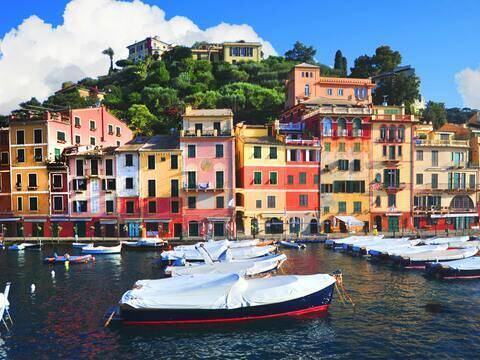
Photo by Pexels / Pixabay, Public domain
|
Study in France – Facts 
|
|
|---|---|
| Capital: | Paris |
| Other popular student cities: | Marseille, Lyon, Toulouse, Saint-Étienne, Nice, Nantes, Cannes |
| Population: | 65,697,000 |
| Currency: | EUR 1 EUR = 1.14 USD |
| Listed universities: | 111 |
| Study programmes: |
68 Bachelors
740 Masters 33 PhDs |
| Ranked universities: | 61 |
| Look at study programmes in France 🧑🎓 | |
France is one of the most popular destinations for international students. Among its major advantages are the high quality of education, the remarkably low tuition fees, and the enjoyable French way of life.
The French higher education system is one of the best in Europe and the world, with dozens of French universities regularly placed high in international university rankings. It is also one most diverse landscapes, offering a mix of prestigious public universities, grandes écoles, and highly ranked business schools.
Here are some of the leading universities:
And of course, this is only a selection of the many higher education institutions available in France. There are numerous other universities, grandes écoles, and specialised schools across the country that offer excellent academic and career opportunities.
At public universities, tuition fees in France are heavily subsidised by the government and typically remain very low, ranging from around €170 to €600 per year for most Bachelor’s and Master’s programmes for EU students. Non-EU students generally pay slightly higher fees at public institutions, usually around €3,000 to €4,000 per year, which is still very competitive by international standards.
In contrast, private institutions and top business schools charge higher tuition fees, often ranging from €8,000 to over €20,000 per year depending on the programme.
The cost of living in France varies significantly depending on the city. Studying in Paris is considerably more expensive, with students typically needing between €1,000 and €1,500 per month, mainly due to higher rent prices. However, in smaller student cities such as Toulouse, Nantes, or Strasbourg, monthly living costs are usually more affordable. Many students also benefit from subsidised student housing and government support, such as housing aid (CAF), which can significantly reduce accommodation expenses.
The standard of living in France is remarkably high, and one thing is certain: Studying in France is going to be a great, life-changing experience for you.
France caters to every taste - and that does not only mean wine and cheese enthusiasts. Whether you prefer a bustling urban environment, quiet mountains, or the relaxed atmosphere on the Mediterranean shore, you will find a fitting destination for yourself. Paris offers a unique metropolitan vibe in a charming environment. Marseille and Montpellier are directly off the Mediterranean coast; summer beaches included. Rennes or Nantes are close to the rougher Atlantic coasts. And from Grenoble or Lyon, the Alps are within reach.
Even when studying in France in English, you should not miss the opportunity to learn French. Not only because you will learn a beautiful language that enables you to speak to around 270 million people in almost 30 countries; but also because you will need some French in your everyday life. While many locals in France speak solid English, they simply prefer their native tongue, and will appreciate when foreigners make the effort. Even if that effort is limited to something like “je ne comprends pas” - “I do not understand”.
The French language is also one of the larger hurdles if you plan to stay after your graduation from a Bachelor’s in France or Master’s in France. To find a job, you will almost inevitably need to be fluent or at least near-fluent in French.
If you study in Paris, fear not: There are direct flights to Paris from virtually anywhere in the world. Paris Charles de Gaulle Airport (CDG) is the busiest airport in continental Europe; the second-largest local airport is Paris Orly. From there, many domestic flight or train connections are available, so you can easily reach every corner of France.
If you plan to explore Europe while you study in France, you will be pleasantly surprised. The country is conveniently located for short trips; it borders on Belgium, Luxemburg, Germany, Switzerland, Italy and Spain, and the United Kingdom is only a stone’s throw across the Channel.
Search universities & programmes in France