Study in Luxembourg
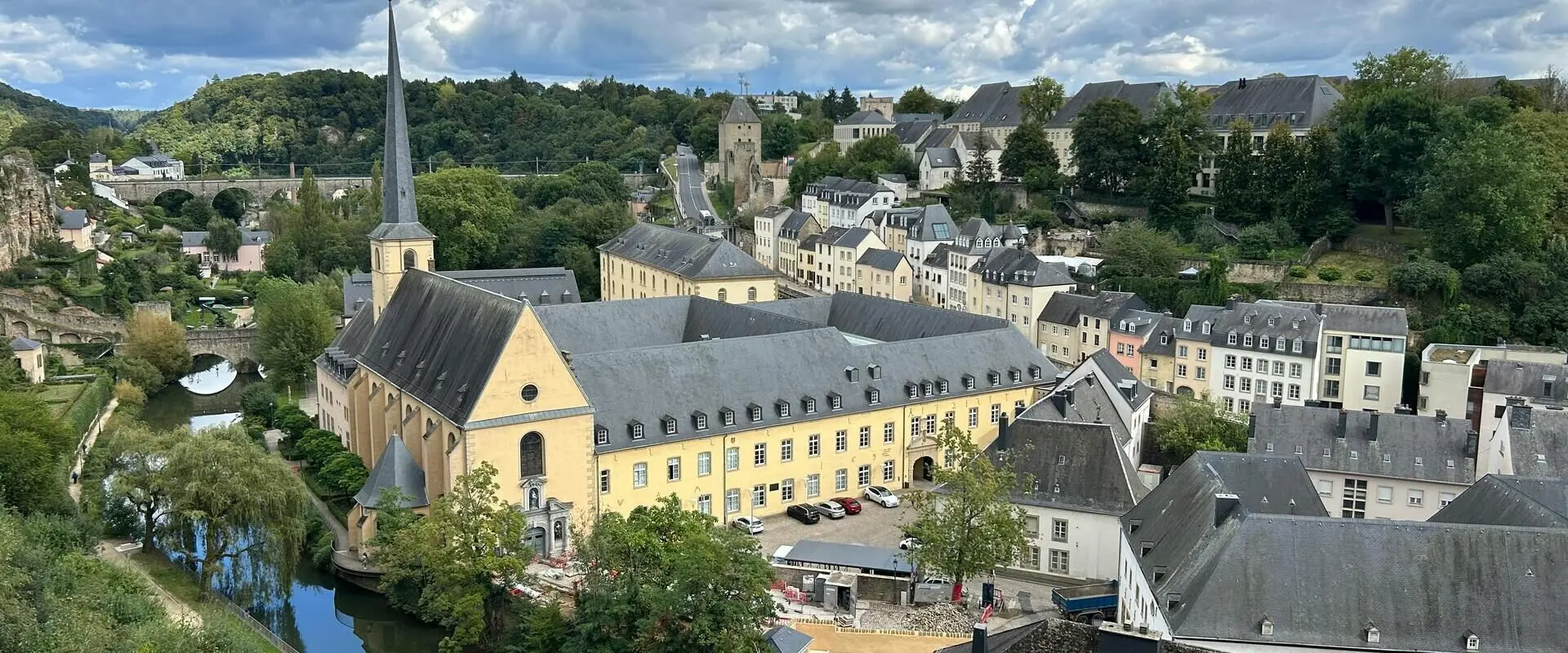
Photo by Toufic Haddad
|
Study in Luxembourg – Facts 
|
|
|---|---|
| Capital: | Luxembourg |
| Population: | 682,000 |
| Currency: | EUR 1 EUR = 1.15 USD |
| Listed universities: | 2 |
| Study programmes: |
3 Bachelors
39 Masters |
| Look at study programmes in Luxembourg 🧑🎓 | |
One of Europe’s smallest yet wealthiest countries, Luxembourg offers a unique blend of international culture, high living standards, and a strong focus on multilingualism. For students looking to study abroad in a truly global environment, Luxembourg stands out as a place where different cultures, languages, and ideas meet every day.
Bordering France, Germany, and Belgium, Luxembourg is perfectly positioned for travel and international exposure. Despite its small size, the country offers high-quality education, excellent career opportunities, and a safe, well-connected environment.
Study in Luxembourg: Find Bachelors and Masters
Studying your Bachelor’s in Luxembourg or your Master’s in Luxembourg means becoming part of one of the most international student communities in Europe. With nearly half of the country’s population made up of foreigners, it’s common to hear multiple languages spoken in everyday life.
Student life is closely tied to the capital, Luxembourg City, where most universities and institutions are located. The city combines a historic old town (a UNESCO World Heritage Site) with a modern financial district, offering a mix of culture, nightlife, and career opportunities. During the week, students typically balance studies with internships or part-time jobs, especially given Luxembourg’s proximity to major European institutions.
Outdoor life also plays a role, particularly in warmer months. Students often go hiking in regions like Mullerthal Region, known as “Little Switzerland,” or relax along the Moselle River. In winter, social life shifts more towards cafés, cultural events, and student gatherings. Many students take advantage of the country’s central location to travel on weekends, exploring nearby cities like Paris, Brussels, or Frankfurt.
Luxembourg has three official languages: Luxembourgish, French, and German. However, international students will find a wide range of English-taught programmes, especially at postgraduate level. Being multilingual is a big advantage for daily life and future employment.
Luxembourg has a relatively small but highly international higher education system. The main public institution is the University of Luxembourg, founded in 2003, which has quickly built a strong reputation for research and international collaboration. The university is known for its multilingual approach to teaching, often combining English, French, and German within programmes.
There are also several specialised and private institutions, including:
Due to its size, Luxembourg has fewer universities than other European countries, but this is balanced by small class sizes, strong industry connections, and a highly international academic environment.
For students from the EU/EEA, tuition fees at public institutions like the University of Luxembourg are relatively low, typically around €800 per year. For non-EU/EEA students, fees may be slightly higher but are still affordable compared to other major study destinations, often remaining below €5,000 per year for most programmes. Private institutions, however, can charge significantly higher fees which can go up to €20,000 per year, especially for business-related degrees.
The cost of living in Luxembourg is among the highest in Europe. Students should expect to budget around €1,200 to €1,800 per month. Accommodation is the biggest expense, as housing is limited and demand is high. However, public transport is free across the entire country, which helps reduce daily costs.
Luxembourg offers good career prospects, particularly in finance, EU institutions, law, and technology. Many international companies and organisations are based here, including European Investment Bank and Amazon’s European headquarters. For graduates, this means strong internship and job opportunities. Language skills (especially French and German) can be important, but many international companies operate in English.
Luxembourg is easy to reach thanks to Luxembourg Airport, which connects the country to major European cities. Additionally, high-speed trains and regional rail networks make it simple to travel to neighbouring countries.
One of Luxembourg’s biggest advantages is its completely free public transport system, including buses, trams, and trains. This makes commuting as a student both easy and cost-effective.
Despite its small size, Luxembourg offers a high quality of life, a truly international atmosphere, and excellent career opportunities; making it an increasingly attractive destination for students looking for a unique study abroad experience in Europe.


