Study at KTH Royal Institute of Technology
Stockholm, Sweden
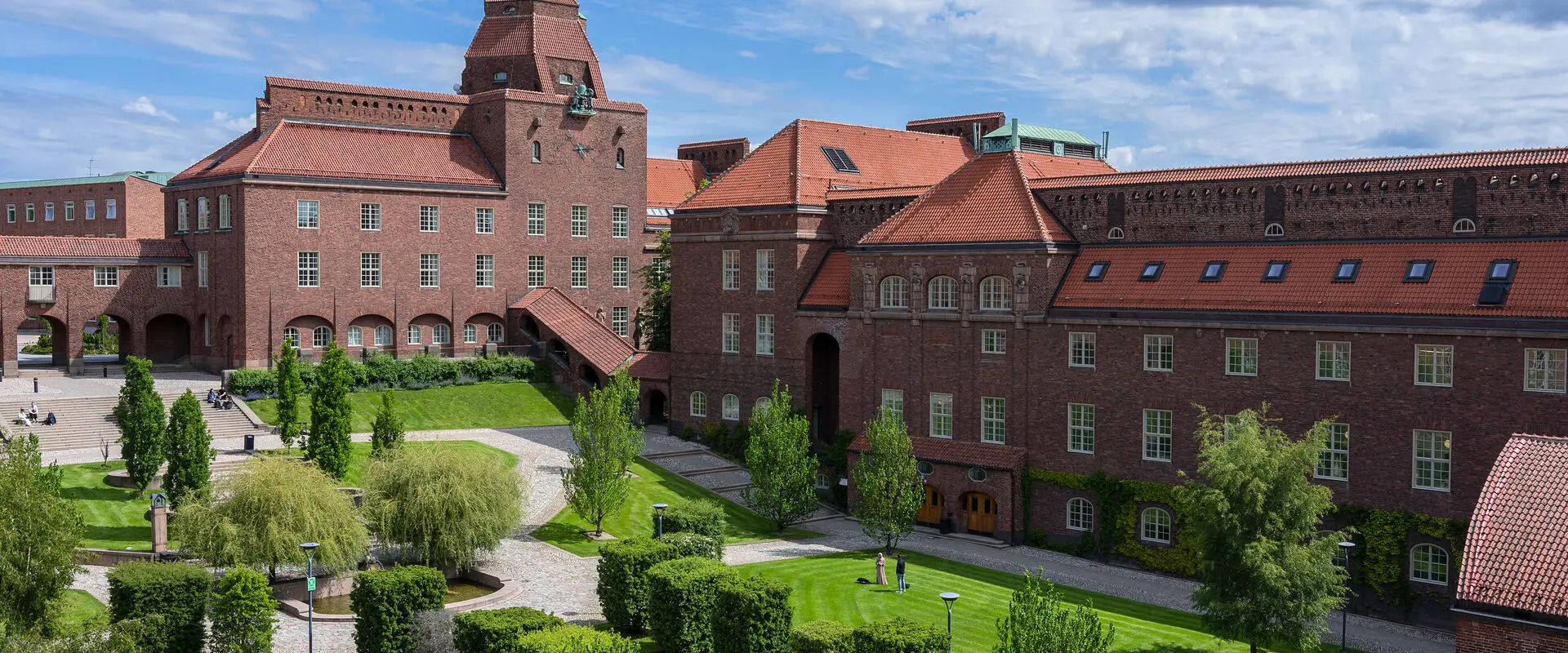
Photo, Public domain
| Programme details | |
|---|---|
| Degree: | Master (Master) |
| Discipline: |
Molecular Sciences
|
| Duration: | 2 years |
| ECTS points: | 120 |
| Study modes: | full-time |
| Delivery modes: | on-campus |
| University website: | Molecular Techniques in Life Science (Joint) |
The joint master's programme in Molecular Techniques in Life Science fosters graduates for a professional research career in life science. It has a strong focus on molecular techniques for disease therapies and diagnostic tools, coupled with substantial training in data analysis (bioinformatics and programming).
The programme is a collaboration between Karolinska Institutet, KTH and Stockholm University at the Science for Life Laboratory in Stockholm, offering students the unique opportunity to study at all three institutions.
Our understanding of biology at a molecular level has advanced dramatically in recent years, enabled by the rapid technological progress in molecular techniques used in all aspects of life science. This has led to the development of new therapies and diagnostic tools for the effective treatment of diseases, as well as novel insights into complex cellular processes at the molecular level.
Through the master's programme in Molecular Techniques in Life Science, you will receive a comprehensive education in life science. The programme emphasises cutting-edge methods in bioinformatic analysis of molecular data, including learning how to programme, combined with state-of-the-art techniques used in modern "high throughput" molecular biology.
The programme is delivered by a team of teachers who are internationally recognised researchers within their respective disciplines, to ensure a relevant curriculum at the research forefront. The courses give a solid education in molecular biology, biotechnology, and medicine. There is a strong focus on high-throughput biology and data analysis, including biostatistics, programming, and the translation of biological findings from the lab bench to the patient bedside. The programme also develops skills and abilities essential to a professional career. These skills and abilities include oral and written presentation, teamwork, and how to make ethical and societal considerations about life science-related issues, all of which are essential competencies when leading projects in academia and industry.
This is a two-year programme (120 ECTS credits) given in English. Graduates are awarded the degree of Master of Science. The programme leads to a joint degree between Karolinska Institute, Stockholm University and KTH, and KTH issues the degree certificate.
In the last semester of the programme, you will carry out a degree project focused on a research topic related to a subject in the curriculum. You will complete the project in a research group at either Karolinska Institute, KTH, Stockholm University, Science for Life Laboratory, another internationally recognised university or research institute, or in industry. In recent years, students have, amongst other institutions, carried out their projects at Harvard Medical School and the University of Oxford.
Examples of previous degree project topics are:
The combination of molecular biology, biotechnology, medicine, and data analysis provides an excellent profile for a professional research career in an academic setting or the biotechnological and pharmaceutical industry.
The life science industries and academic institutions working in these areas are active, and the life science sector is expanding worldwide, which gives students a wide range of possible employments.
There is an active alumni association connecting current students with graduates from the programme.



Visit the website of KTH Royal Institute of Technology to find out how to apply and start your study-abroad adventure in Sweden! 🙌