Applying for a Bachelor’s degree in the United Kingdom (2026)
Home to some of the best universities in the world
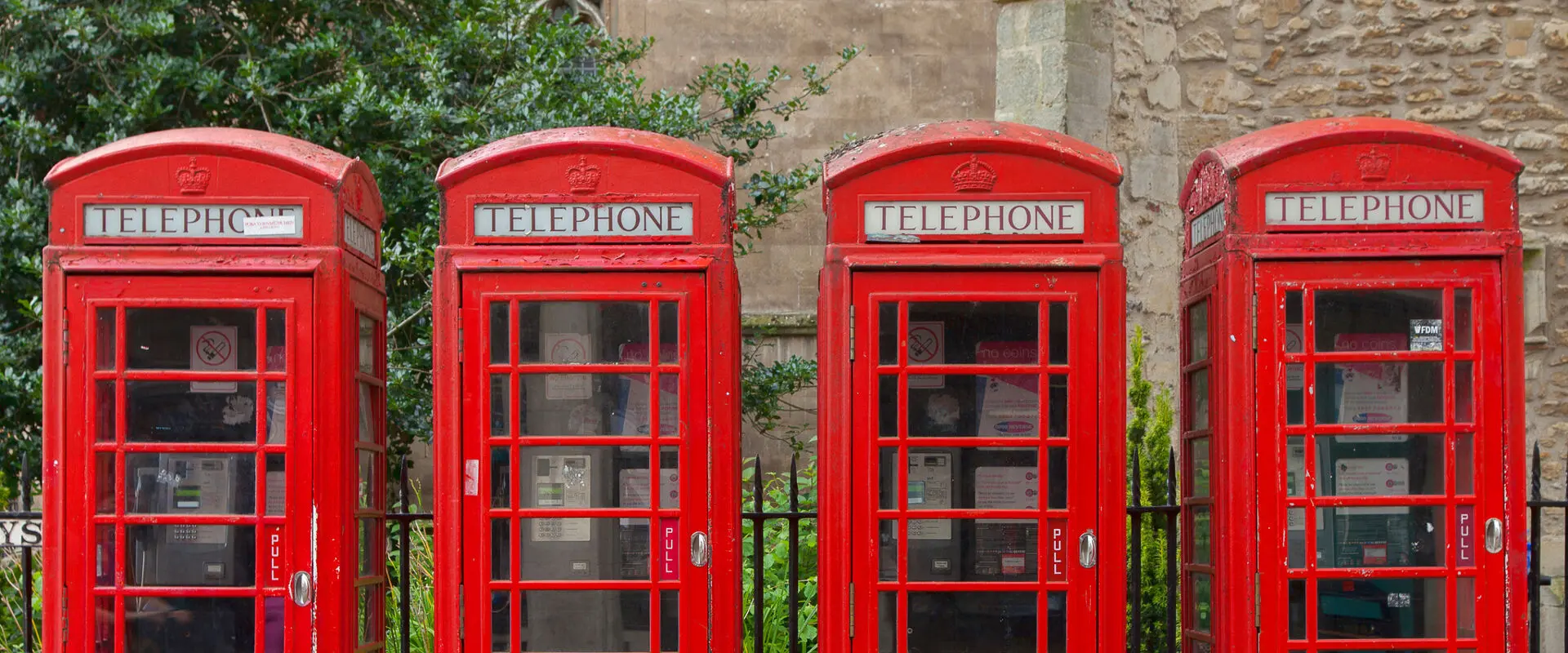
Red telephone box - London by xavier33300, CC BY 2.0, modified
 |
|
|---|---|
| 58 | universities offer Bachelors in the United Kingdom in English |
| 4734 | Bachelors are available |
Studying a Bachelor’s degree in the UK is a popular choice for international students, thanks to its historic universities, diverse range of programmes, and strong focus on independent learning.
With a UK Bachelor's degree, you will create many opportunities for yourself! The British higher education system is considered one of the best in the world, and offers a truly international student experience. And while studying in the UK is rather expensive in comparison to other countries in Europe, British universities are known to be supportive and helpful when it comes to applying, enrolling, and later studying. Learn more:
Study.eu’s official database features thousands of English-taught Bachelor’s programmes in the UK. Start exploring and find yours today!
Checking Study.eu to search for undergraduate programmes in the UK is a smart first step, as it helps you explore your options, compare universities, and find the Bachelors that best matches your interests and goals.
Not all Bachelor’s degrees in the UK are the same: There are various undergraduate degrees that are slightly different, but broadly comparable. “Undergraduate” describes programmes you would typically start after finishing school; as opposed to “postgraduate”, which describes Masters that require an undergraduate degree for admission, or PhD programmes. You often find this abbreviated as “UG” programmes when looking at university websites.
Most programmes are Honours Degrees (shortened as: BA Hons, BSc Hons, and so on), which usually take three years (four in Scotland) and involve more advanced study along with a final-year project. Some universities also offer ordinary/non-honours degrees, which are typically shorter or less specialised.
You’ll also find degrees with placements or “sandwich years”, which let you gain work experience as part of your studies.
Some UK programmes offer integrated Master’s degrees, which combine a Bachelor’s and a Master’s into a single course, typically lasting four to five years (for example, MEng or MSci). These are common in fields like engineering, science, and maths.
To make things more complicated, universities in Scotland also offer undergraduate Masters that typically last four years. They are considered equivalent to a four-year Bachelor’s degree.
Meanwhile, foundation years are available for students who don’t yet meet the entry requirements for a full Bachelor’s degree. They provide an extra year of study to build the skills and knowledge needed before moving on to the standard three-year programme.
UK Bachelors tuition fees are relatively high when compared with other countries in Europe. But the range is broad and there are important things to know, so that you can prepare financially.
British unis differentiate between “Home” fees and “International” fees (or sometimes “Overseas” fees). Home fees are those for UK nationals or applicants who already had a residence permit. Everyone else has to pay the International fees, and they are usually a lot higher than that.
For international students, UK tuition fees for undergraduate programmes typically start at around £12,000 per year and can be as high as £40,000 or more. (Medicine is a typical outlier and can reach more than £60,000 per year.)
The exact fees of Bachelors in UK depend on the university and course. More prestigious, highly-ranked universities tend to be more expensive; and Engineering and Natural Sciences tend to be more expensive than Humanities. Some universities also charge fixed annual prices for the full duration of the course, while others may increase fees slightly in later years.
Business schools in the UK often sit at the higher end when it comes to tuition fees (usually around £25,000 to £35,000 per year) thanks to their reputation, strong industry links, and modern facilities.
It’s important to also factor in living costs, which can vary widely between cities, as well as any additional costs for course materials, lab work, or placement years.
(Note: Scottish universities also mention “RUK” fees (“rest of UK”) that are somewhere between Home and International fees. These are the fees that students from England, Wales or Northern Ireland have to pay, and they are not relevant for international students.)
The application for Bachelor in the UK is usually done through UCAS, the national platform used by universities and colleges. Through UCAS, you can apply for up to five different courses at the same time.
The timeline looks like this:
Some courses or institutions may require or allow a direct application (or an application via an agent/consultant), but UCAS is the standard route for full-time undergraduate study.
Now it’s time to prepare your application via UCAS. It should include:
When applying, you might come across the terms “GCSE” and “A Levels”. These relate to school certificates that students receive in the UK. Unless they went to a British school abroad, international students would have different qualifications and are supposed to submit these with their application.
Most likely you apply for the Bachelor while you’re still in school, in which case it is common that you receive a conditional offer. This means you are admitted under the condition that you meet or exceed certain final grades.
If you are unsure about any of the above, contact the admissions staff of one of the universities you want to apply to. You’re planning on paying them a lot of money and they know it, so they will be eager to help you!
UK universities are known for having some of the highest tuition fees in Europe, but there are plenty of opportunities to get financial support.
The British Council lists around 1,500 scholarships and grants for students planning to study a Master’s degree in the UK. On top of that, many universities offer their own scholarships or fee waivers, so it’s always a good idea to check with the admissions office to see what options are available.
If you’re coming from outside the UK, you’ll need a student visa to study a Bachelor’s degree. Once you’ve accepted your offer, your university will guide you through the process and help you get the Confirmation of Acceptance for Studies (CAS), which you’ll need for your visa application.
You’ll also need to show that you have enough money to cover your first-year tuition and living costs:
You don’t need to show proof of financial support if you are a British National (Overseas) or from a country or territory included in the “differential evidence requirement” list.
The visa application fee from outside the UK is £558, and your university will usually provide lots of support to make the process easier.
Finding a place to live is an important part of preparing to study in the UK. Most universities have student housing offices that can help you find a room in a student residence or shared apartment, but you can also look for private rentals if you prefer.
Housing can be challenging to find, especially in London, where demand is high and prices are steep. Luckily, there are lots of great universities outside the capital in cities like Manchester, Edinburgh, Canterbury, and Bristol, which also offer an exciting experience at often lower cost of living.
Wherever you decide to study, it’s a good idea to start your housing search early and make use of the support your university provides.
Once everything is sorted, it’s time to plan your trip! There are plenty of direct flights to the United Kingdom from around the world, especially to London, and getting around the country is easy. If your city doesn’t have an airport, you can reach it conveniently by train or bus.
Safe travels and good luck!
The duration of a Bachelor’s degree in the UK is three years. Some programmes, such as those in Scotland or with a placement year, can take four years.
Fees for international students pursuing a Bachelor’s degree in the United Kingdom typically range from around £12,000 to £40,000 per year.
Ready to study in the United Kingdom?


