Study at Stockholm University
Stockholm, Sweden
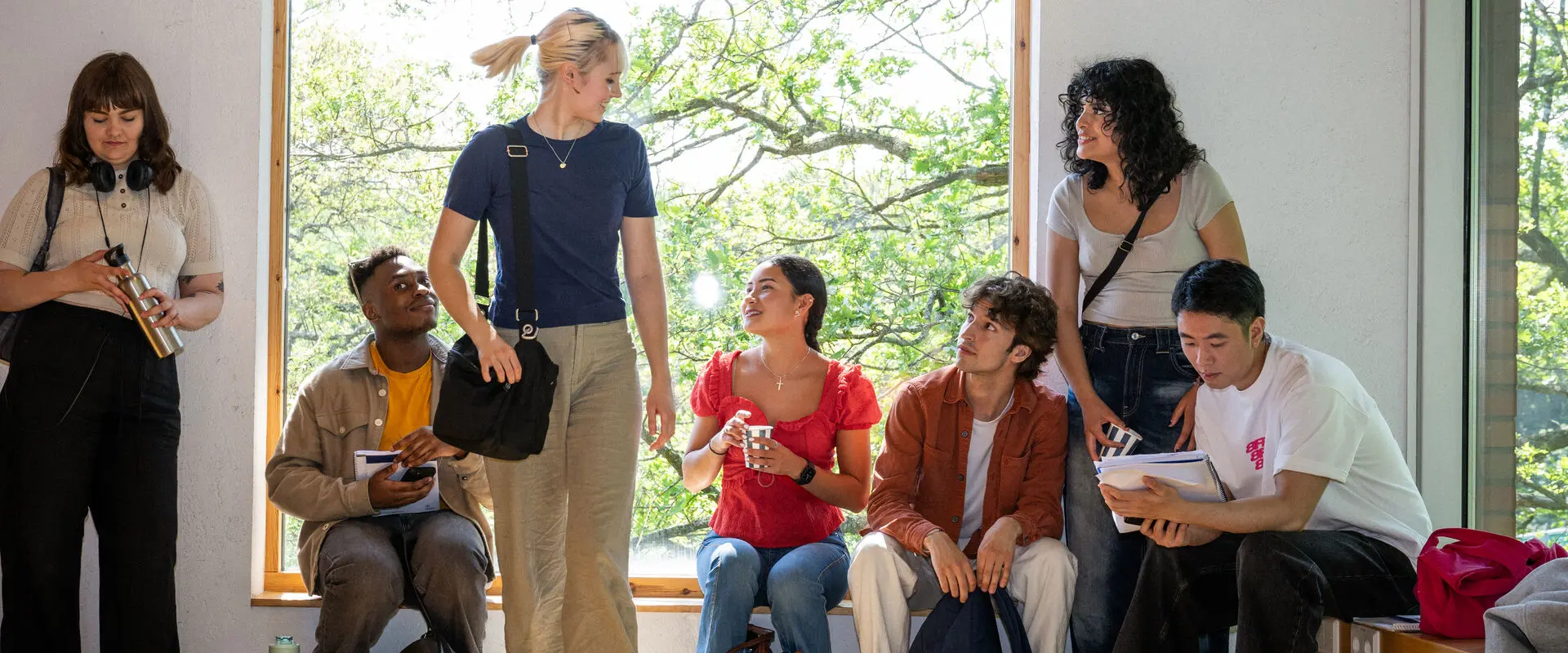
Photo by Kristian Pohl/Stockholm University
| Programme details | |
|---|---|
| Degree: | Master (Master) |
| Disciplines: |
Product Design
Human Computer Interaction |
| ECTS points: | 120 |
| Study modes: | full-time |
| Delivery modes: | on-campus |
| University website: | Interaction Design for Artificial Realities |
| Annual tuition (EEA) |
|
| Annual tuition (non-EEA) |
(change) |
Request information from Stockholm University
The Master’s Programme in Interaction Design for Artificial Realities is a two-year, full-time programme that prepares students to work at the forefront of interaction design, artificial intelligence and immersive technologies.
The programme is designed for those who want to explore how new technological systems, from generative AI to extended reality (XR), are transforming the way we learn, communicate and interact with digital environments. Through a combination of hands-on work, critical reflection, and interdisciplinary theory, students learn how to design experiences that are innovative, meaningful and socially responsible.
The curriculum is structured around two integrated tracks: one in interaction design and one in technologies for artificial realities. These tracks run in parallel across the programme, allowing students to build a broad interdisciplinary foundation while pursuing deeper specialisation in areas aligned with their individual interests and career goals. From the start, the programme combines theoretical depth with practical application, emphasising both critical perspectives and technical fluency. Students learn how to think through design, prototype immersive experiences and engage with the ethical and societal dimensions of emerging technologies.
Practical learning is supported by full access to Extrality Lab, the programme’s dedicated physical space for prototyping, fabrication and experimentation. The lab features a range of advanced tools including VR/AR/MR headsets, motion tracking, eye-tracking systems, 3D printers, laser cutters and physical computing kits such as Arduino and Raspberry Pi. High-performance computing gaming stations are also available for creative coding, AI prototyping and simulation work. Extrality Lab functions as both a classroom and a playground for experimentation, giving students the tools and environment they need to bring their ideas to life.
Throughout the programme, students engage in studio work, project-based courses and collaborations with both researchers and external partners. All courses are taught in English by experienced researchers and industry professionals who bring current, real-world insight into the classroom. The programme welcomes students from a variety of academic and cultural backgrounds, creating an international learning environment that encourages collaboration and the exchange of ideas.
Graduates are prepared for advanced roles in both industry and academia. Potential career paths include:
Students will be well equipped to work in sectors such as education, media, healthcare, cultural heritage and design-driven innovation. The programme also provides a strong foundation for doctoral studies in areas such as Human-Computer Interaction (HCI), Technologies for Artificial Realities and AI-driven design.



Visit the website of Stockholm University to find out how to apply and start your study-abroad adventure in Sweden! 🙌