German Universities with Summer Intakes
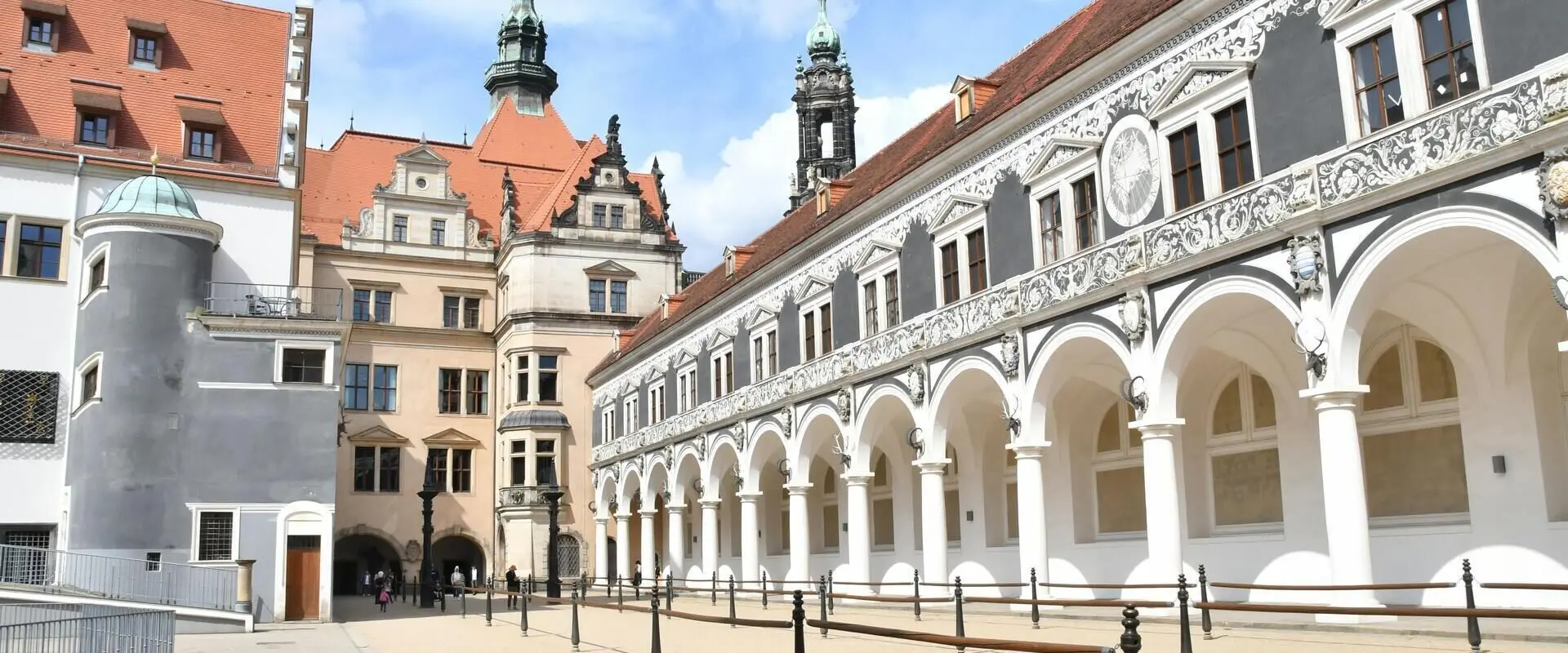
Photo by Siegfried Poepperl
While most degrees in Germany begin in the Winter Semester (starting in autumn despite its name), a growing number of universities also offer admissions for the Summer Semester, which usually starts in April and would be called “spring intake” in other countries.
Starting your studies in the Summer Semester can be a great option if you missed the previous application deadlines, need more time to prepare your move abroad, or simply want greater flexibility in your study plans.
In this guide, we highlight German universities with Summer Intakes, explain how the semester system works, and share key application deadlines and tips for international students planning to study in Germany.
Study in Germany: Find Bachelors & Masters fully taught in English
German universities usually offer two admission periods each year: the Winter Semester and the Summer Semester. While both allow international students to begin their studies in Germany, there are some important differences between the two intakes.
For most international students, the Winter Semester remains the standard choice. However, the Summer Semester offers valuable flexibility and can still provide access to great universities.
Below, you can find German universities that are open for Summer Semester applications, including key information about programme availability, deadlines, and start dates.
| Institution | Deadline | Start date | Degrees offered |
|---|---|---|---|
| Constructor University | 30 November | January | Pre-Bachelor semester programme |
| Fulda University of Applied Sciences | 15 December for non-EU, 15 January for EU students | April | Several Bachelor’s and Master’s degrees |
| International Graduate Center | Apply until programme is full | April | International MBA, Tourism Management MBA and Master in Digital Transformation |
| Justus Liebig University of Giessen | 15 January, some programmes extended to 28 February | April | Mainly Master’s Programmes |
| Lancaster University Leipzig | Rolling admissions | April | All programmes through a foundation semester |
| Macromedia University of Applied Sciences | 15 March | March/April | All degrees |
| RWTH Aachen University | September for non-EU, 15 January for EU students | April | Mainly Master’s Programmes |
| Saarland University | Between May and November | April | A few Master’s Programmes |
| SRH University | December for non-EU, January for EU students | April | Almost all Bachelor’s and Master’s |
| University of Stuttgart | Between November and January | April | 8 Master’s Programmes |
As seen above, application deadlines for the Summer Semester usually fall between November and January, although exact dates vary depending on the university. Since the Summer Semester typically begins in April, students should start preparing their applications several months in advance.
International students should also consider the extra time needed for student visa applications, accommodation, and health insurance arrangements. Applying early can improve your chances of securing a place and completing all administrative steps before the semester begins.
If you missed the Summer Semester deadlines, there are still alternative ways to earn your Bachelors or Masters. Some institutions, such as Tomorrow University of Applied Sciences or EU Business School, offer flexible online degree programmes with multiple start dates throughout the year.
Applying for a Bachelor in Germany or applying for a Masters in Germany for the Summer Intake is similar to the process followed during the Winter Semester, but students should pay close attention to earlier preparation timelines and programme availability. Since fewer courses are offered, it is important to research universities and application requirements well in advance.
The first step is to choose a university and confirm that your desired programme accepts students for the Summer Semester. Many German universities list intake information directly on their programme pages, including application deadlines, language requirements, and admission criteria.
Most universities will require the following documents as part of your application:
Some universities process applications directly, while others use platforms such as Uni-Assist to evaluate international qualifications. Students should carefully review whether certified translations or notarised copies are needed before submitting their application.
Starting your journey to study in Germany during the Summer Semester can offer greater flexibility for international students, but it also comes with a few limitations.
The main advantages are:
Disadvantages of the Summer Intake:
Understanding the pros and cons can help you decide which intake is the best fit for your academic plans.
Study in Germany: Find Bachelors & Masters fully taught in English
1421 Programmes in Germany