Cheapest Universities in Germany
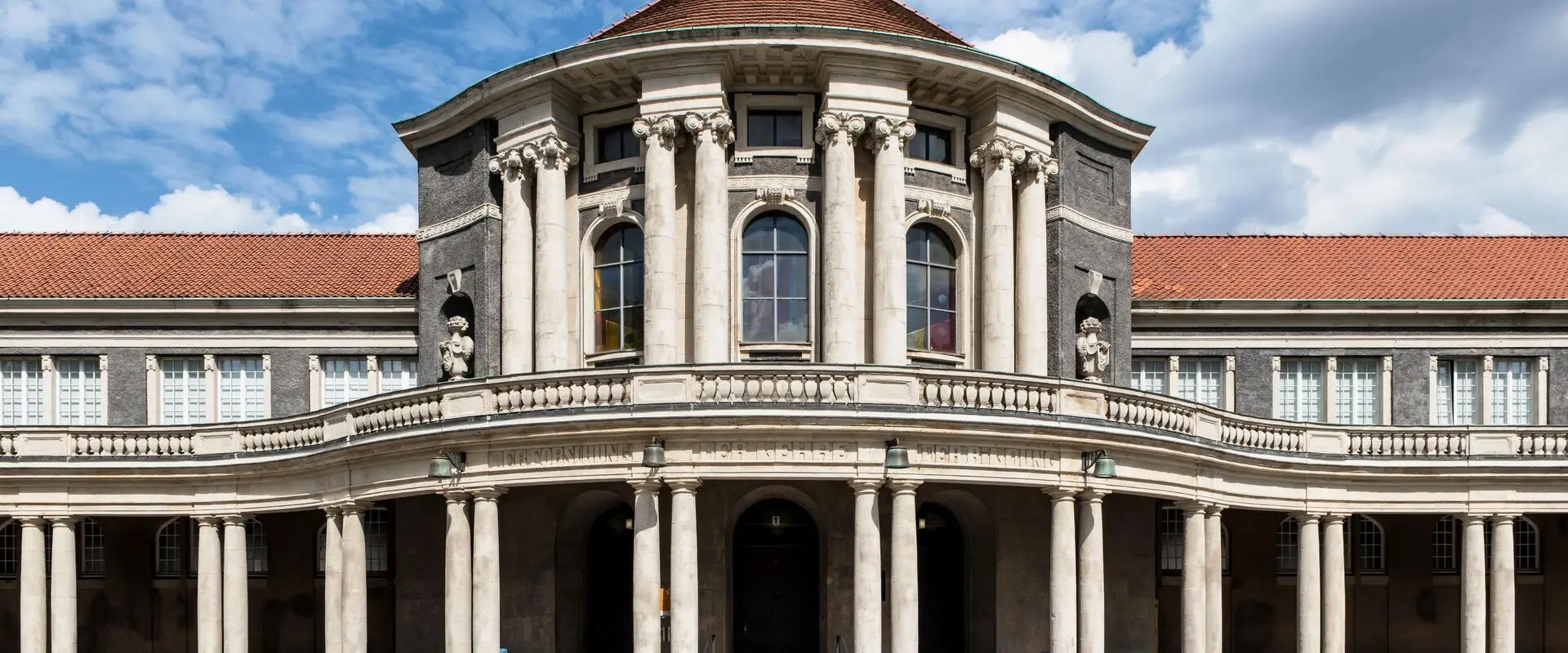
Photo by Wolfgang Weiser
Germany is home to some of the cheapest universities in Europe. Thanks to its tuition-free public university system, students from around the world can study at internationally recognised institutions while paying only a small semester contribution.
If you’re looking for the cheapest universities in Germany, you’ll quickly discover that affordability doesn’t mean compromising on quality. In fact, many of the country’s top-ranked public universities charge no tuition fees at all.
Study in Germany: Find Bachelors & Masters
There isn’t a single cheapest university in Germany because most public universities follow the same funding model and do not charge tuition fees. In other words, it is possible to study in Germany for free while earning a degree that is recognised around the world.
The main exception is the state of Baden-Württemberg, where non-EU students are charged tuition of €1,500 per semester. A small number of universities in Bavaria also charge tuition fees for certain groups of international students or specific programmes.
At almost all other public universities, students only pay a semester contribution, typically between €150 and €350 per semester. This is much more than an administrative fee: it usually includes a semester ticket (Semesterticket), which provides unlimited travel on local and regional public transport within the designated area. The contribution also helps fund student services, campus facilities, student unions, sports programmes, and other university activities, making it excellent value for money.
Below you’ll find a table with some of the cheapest and most prestigious universities in Germany. Since tuition fees are largely the same across Germany, the cheapest universities are public institutions.
All of these universities offer internationally recognised degrees and an increasing number of Bachelor’s and Master’s degrees taught entirely in English.
| University | City | Tuition fees | English-taught degrees |
|---|---|---|---|
| Friedrich-Alexander-Universität Erlangen-Nürnberg (FAU) | Erlangen | Free | Over 50 Bachelors and Masters |
| Fulda University of Applied Sciences | Fulda | Free | 6 Bachelors, 6 Masters |
| Justus Liebig University of Giessen | Giessen | Free | 2 Bachelors, 16 Masters |
| Leuphana University Lüneburg | Lüneburg | Free | 6 Bachelors, 14 Masters |
| RWTH Aachen University | Aachen | Free | Over 50 Bachelors and Masters |
| Saarland University | Saarland | Free | 3 Bachelors, 21 Masters |
| Technical University of Berlin (TU Berlin) | Berlin | Free | 19 Master’s degrees |
| University of Cologne | Cologne | Free | 2 Bachelors, 26 Masters |
| University of Göttingen | Göttingen | Free | 2 Bachelors, 31 Masters, PhDs |
| University of Technology Nuremberg | Nuremberg | Free | 2 Masters in AI |
Study in Germany: Find more universities
When budgeting for your studies, the city you choose often has a bigger impact on your costs than the university itself.
Across Germany, rent has increased significantly in recent years, and finding cheap accommodation can be particularly challenging in major cities such as Munich, Berlin, Frankfurt, or Hamburg. That’s why many international students choose smaller university cities instead.
Some of Germany’s most affordable student cities include:
Smaller student cities also have their own advantages. Campuses, accommodation, cafés, libraries, and sports facilities are often within walking or cycling distance, making daily life easier. With a large proportion of the population made up of students, they tend to have a welcoming atmosphere, an active social scene, and are often perceived as safer and easier to navigate than larger metropolitan areas.
No. Private universities in Germany usually charge between €5,000 and €30,000 per year, depending on the programme. Private institutions set their own tuition fees, which are significantly higher than at public universities. Specialised degrees such as MBAs are often even more expensive, with tuition fees commonly ranging from €20,000 to over €50,000.
Students can generally expect the following tuition fees:
Tuition fees can vary depending on the university, your nationality, the federal state, and whether you choose a public or private institution. Always check the university’s official website for the most up-to-date information.
Studying in Germany can be surprisingly affordable, especially if you plan ahead. Here are some of the best ways to keep your costs down:
If you’re a non-EU student applying for a German student visa, you’ll usually need to prove that you have enough money to support yourself during your studies. The most common way to do this is by opening a blocked bank account (Sperrkonto) before you arrive in Germany.
A blocked account holds a minimum amount set by the German authorities, and you can only withdraw a fixed amount each month after arriving in Germany. This money is intended to cover your living expenses while you study.
Although the funds remain yours, it’s important to include this requirement in your financial planning, as you’ll need to deposit the full amount before your visa is approved.
1341 Programmes in Germany