Austria: Tuition fees & cost of living in 2026
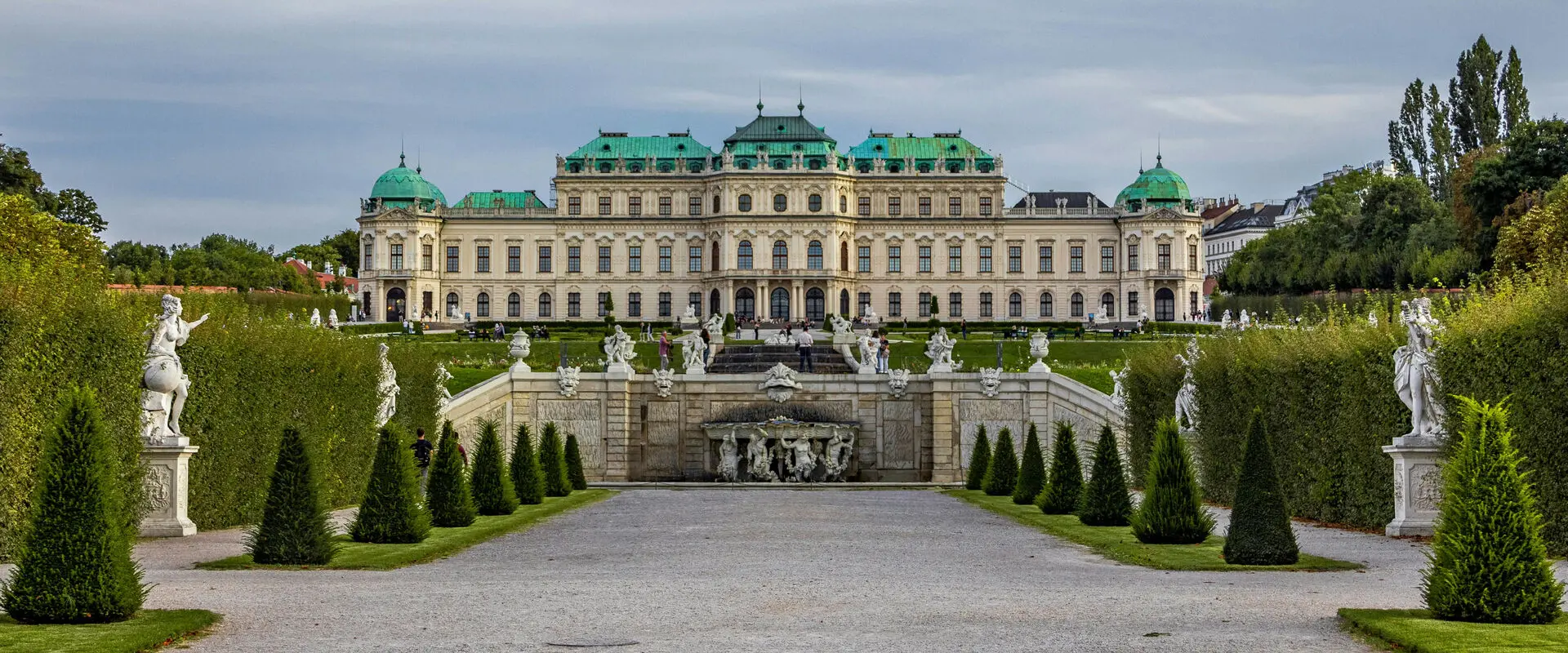
Photo by Vish Pix
Austria is a top choice for international students and it’s easy to see why. You get great universities, beautiful cities, and a high quality of life, often at a much lower cost than in countries like the United Kingdom or the United States.
But before applying, it’s important to understand how tuition fees work, since costs can be very different depending on whether you choose a public or private university, where you’re from, and what you want to study.
In this guide, we break down everything you need to know about tuition fees in Austria for international students. From how much universities charge, to what you can expect, and other expenses you should plan for to budget effectively for your studies.
Study in Austria: Find Bachelors & Masters now
When it comes to tuition fees in Austria, the biggest difference depends on whether you study at a public or private university.
Both types of universities are recognised and respected; so you just need to choose what fits your goals and your budget. Below you’ll see this difference more clear:
| University | Institution | Tuition fees for EU students | Tuition fees for non-EU students |
|---|---|---|---|
| Central European University (CEU) |
Private |
€8,000 per year for Bachelors, between €12,000 and €15,000 for Masters |
€8,000 per year for Bachelors, between €12,000 and €15,000 for Masters |
| FH Joanneum |
Public |
€726.72 per year | €1,453.44 per year |
| IT:U Interdisciplinary Transformation University Austria |
Public |
€726.72 per year | €1,453.44 per year |
| MODUL University Vienna |
Private |
€16,000 per year for Bachelors, €12,000 for Masters, up to €21,000 for their MBA |
€16,000 per year for Bachelors, €12,000 for Masters, up to €21,000 for their MBA |
| Salzburg University of Applied Sciences |
Public |
€726.72 per year |
€1,453.44 per year |
| University of Graz |
Public |
Free | €1,453.44 per year |
| University of Vienna | Public | Free | €1,453.44 per year |
| USTP – University of Applied Sciences St. Pölten | Public | €726.72 per year | €1,453.44 per year |
| Vienna University of Technology | Public | €726.72 per year | €1,453.44 per year |
| Webster Vienna Private University | Private | €24,000 per year for Bachelors, €31,500 for their MA and MBA | €24,000 per year for Bachelors, €31,500 for their MA and MBA |
Find More Universities in Austria
If you study at a public university, you have to pay the tuition fees set by law plus the Austrian Students’ Union (ÖH) fee of €24.70 every semester. For the winter semester, payments must be made by October 31st, and for the summer semester, by March 31st. If you don’t pay by the deadline, you could be deregistered from your programme.
At private universities, tuition fees and deadlines are different for each institution. The payment is required before the semester starts in most cases, but you might be able to pay in installments over the year depending on your case. In general, private universities offer more flexible payment options, so it’s important to check each university.
Missing tuition payments at either public or private universities can have serious consequences. You might be removed from your course or not allowed to register for the next semester. If you’re having trouble paying, many universities offer fee waiver or financial support options, so it’s a good idea to contact them early to explore what’s available.
Yes, when you apply for a Bachelor’s degree in Austria or for a Master’s degree in Austria you will have to pay application fees.
Application fees can vary quite substantially and range between €50 and €200.
These application fees are meant to cover the cost of processing documents and reviewing your information. These fees are usually paid when you submit your application or register for an entrance exam.
In most cases, application fees are non-refundable, even if you are not admitted or decide not to enrol, since they cover administrative work already carried out. However, a few universities may refund the fee under very specific circumstances.
Yes! EU/EEA students can study almost for free at Austria’s public universities, even for fully English-taught degrees. You only need to pay a small student union fee of €24.70 per semester (ÖH-Beitrag).
Tuition fees only apply if you take longer than the standard duration of your degree (to be precice, two extra semesters), in which case the fee is around €363.36 per semester. This applies to all programmes, including Medicine and Arts.
This makes Austria one of the most affordable countries in Europe for EU/EEA students, offering high-quality education at a very low cost. However, this also makes these universities highly competitive and may have extra entrance exams or admission requirements.
Studying in Austria can be affordable for all students, as there are plenty of ways to get financial support.
A great first stop for international students is the OeAD, Austria’s main online platform listing scholarships from the government, universities, and external organisations. It’s the central hub where most students begin their funding search.
In addition to this, many universities have their own scholarship programmes, often awarded for academic excellence or specific eligibility criteria, and some can reduce your tuition fees by as much as 50%. Public support is also available through the Austrian Study Grant Authority, which handles applications for different types of study grants for students who meet the required conditions.
Study in Austria Find Bachelors & Masters now
The cost of living for students in Austria varies depending on the city and lifestyle, but on average, you can expect to spend around €850 to €1,200 per month. Accommodation is usually the biggest expense, ranging from €300 to €600 for student dorms, shared flats, or private rentals. Cities like Vienna tend to be the most expensive, while smaller university towns such as Graz, Innsbruck, or Salzburg are generally more affordable.
Other monthly expenses include food and groceries (€200 - €300), public transport (€25 - €55) and health insurance (€50 - €100), which is mandatory for international students. Don’t forget smaller costs like trips, leisure, and personal expenses, which can add another €100 - €200 per month.
Planning ahead and budgeting carefully can make student life much smoother in Austria. Living in smaller cities or sharing accommodation can help lower costs, while student discounts on transport and cultural activities are widely available.
Yes, students can also help finance their studies by working part-time.
EU/EEA students can work freely without special restrictions, while non-EU students are typically allowed to work up to 20 hours per week, provided they have a valid work permit. It can require good time management, but part-time work is a popular option to gain experience and help cover living expenses.
Want to learn more?
Find Bachelors & Masters in Austria
.svg "Central European University (CEU)")
.png "Modul University Vienna")

.svg "Salzburg University of Applied Sciences")